
Many people with severe allergies carry an epinephrine auto-injector but don’t feel fully ready to use it when seconds count. Without proper emergency response training, hesitation or mistakes can put lives at risk during allergy emergencies. Learning how to confidently administer an epinephrine auto-injector is one of the most important life-saving skills you can gain. Let’s explore why this training is essential for your allergy preparedness and peace of mind. Learn more about epinephrine auto-injectors here.
Importance of Epinephrine Auto-Injectors
Understanding the role of epinephrine auto-injectors is crucial for managing severe allergies. These devices can be the difference between a safe outcome and a life-threatening situation.
Understanding Allergy Emergencies
Allergy emergencies can happen suddenly and without warning. You may encounter symptoms such as difficulty breathing, swelling, or hives. In these cases, an epinephrine injection can provide the swift relief necessary to stabilize the individual. According to the American College of Allergy, Asthma & Immunology, immediate action is vital as delays can worsen the condition. Knowing what to do can save valuable time.
Imagine you’re at a picnic, and someone near you starts showing signs of an allergic reaction. Having the knowledge to act decisively and administer an epinephrine shot can prevent the situation from escalating. Understanding these scenarios prepares you for real-life situations, ensuring you are ready to help when it truly matters.
Why Training Matters
Proper training in using an epinephrine auto-injector equips you with the confidence to act promptly. A study discussed in the National Center for Biotechnology Information reveals that many people hesitate due to uncertainty about the steps involved. Training dispels this uncertainty, making you ready to handle emergencies effectively.
The training provides a hands-on experience that goes beyond theoretical knowledge. It enables you to practice the technique, ensuring you are comfortable with the process. Moreover, trained individuals can educate others, spreading awareness and preparedness within your community. This shared knowledge fosters a supportive environment where everyone can potentially contribute to saving a life.
Mastering Emergency Response Skills
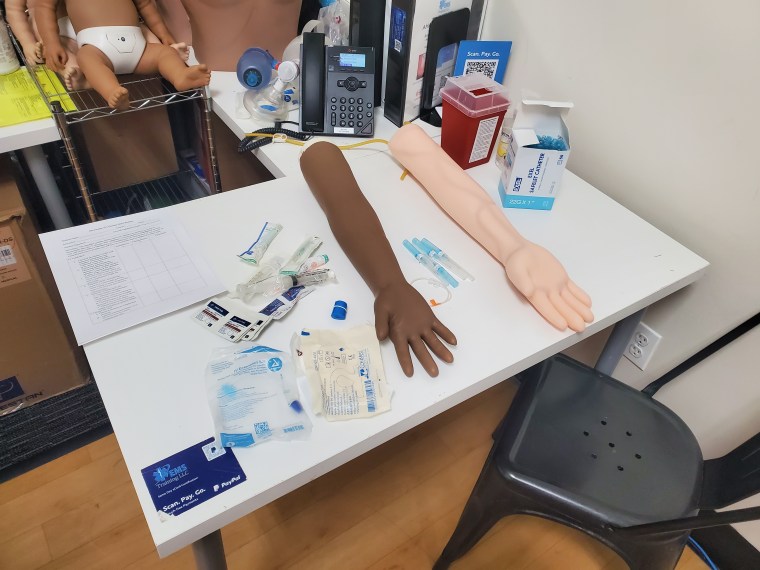
Once you understand the importance of epinephrine auto-injectors, mastering the skills to use them is your next step. Let’s break down the process and address common missteps.
Steps to Administering Epinephrine
Administering epinephrine involves several key steps that should be practiced regularly. Here’s a simplified guide:
- Recognize Symptoms: Identify signs of a severe allergic reaction, such as difficulty breathing or severe swelling.
- Prepare the Injector: Remove the safety cap to activate the injector.
- Position the Injector: Hold the injector firmly and press it against the outer thigh.
- Inject: Push the device into the thigh and hold for 3 seconds to ensure the medicine is delivered.
- Call for Help: Contact emergency services immediately after administration.
Following these steps helps ensure the epinephrine is delivered effectively. Consistent practice of these steps can make them second nature, reducing anxiety during an actual emergency.
Overcoming Common Mistakes
Mistakes during administration can happen, often due to panic or lack of familiarity. Common errors include incorrect placement or hesitation in pressing the injector. Training provides the repetition needed to overcome these hurdles. You might think you need a medical background to get it right, but that’s not true. With practice, anyone can learn to administer an epinephrine shot confidently.
Remember, you’re not alone in learning this skill. Many people, just like you, have successfully mastered it through training.
Building Community Preparedness
Training doesn’t just prepare you; it strengthens the community. When more people are skilled, the entire community benefits from heightened safety and support.
Engaging in Life-Saving Skills
Joining a training session not only equips you but also inspires others. It’s a chance to engage in meaningful learning that could save lives. Picture a community where everyone knows how to respond to an allergy emergency. This vision becomes reality when individuals take the initiative to learn and share life-saving skills.
You’re not just learning for yourself; you’re becoming part of a network of informed individuals. This knowledge can then be passed on to friends and family, creating a ripple effect of preparedness.
Training and Certification Opportunities
Taking the step to get trained is simpler than you might think. Many organizations offer certification courses that are accessible and thorough. EMS Training, LLC, for example, provides comprehensive courses tailored to your needs. These certifications not only boost your confidence but also validate your ability to respond effectively when it counts the most.
Stay proactive about learning, and consider enrolling in a course. It’s an investment in safety that you’ll never regret. schedule.emstrainingny.com
By understanding, learning, and engaging, you ensure that you and your community are prepared for allergy emergencies. The knowledge and skills gained are invaluable, empowering you to act swiftly and effectively when needed most.